Office furniture often sits in the background, a silent supporting cast in the drama of daily work. Because it’s a fixed asset and not a recurring operational expense, it’s easy for businesses to defer upgrading chairs, desks, and storage units until they are visibly falling apart. However, waiting for outright failure overlooks the crucial role furniture plays in productivity, employee health, and brand image.
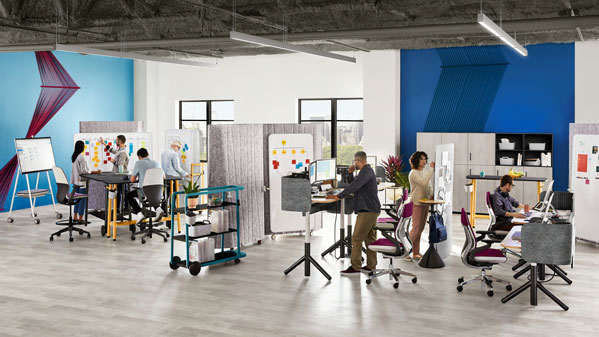
Deciding When It’s Time to Buy New Office Furniture is a strategic decision that signals an investment in the future of the company, impacting everything from physical comfort to corporate culture. This article outlines the key indicators—beyond simple aesthetics—that signal a necessary and timely investment in new furniture is due.
Indicator 1: The Ergonomics and Health Imperative
The most compelling reason to replace office furniture is the direct link between outdated equipment and employee health, which translates directly into lost productivity and rising healthcare costs.
Addressing Physical Discomfort
- Visible Wear and Tear on Support: Inspect office chairs. If the cushioning is permanently compressed, the gas lift cylinder fails to hold height, or the lumbar support mechanism is broken, the chair is no longer ergonomic. Poor seating is a primary contributor to musculoskeletal disorders (MSDs), particularly chronic back, neck, and shoulder pain.
- Non-Adjustable Desks: Static, fixed-height desks do not accommodate the diverse body types of modern workers. The shift towards sit-stand workstations is not just a trend; it’s a health measure proven to reduce sedentary behavior and mitigate the long-term health risks associated with prolonged sitting. If your current desks do not allow for easy height adjustment, they are functionally obsolete.
- The Productivity Cost: Studies consistently show that employees who are physically comfortable and properly supported are more focused and less prone to taking sick leave. The cost of a new ergonomic chair is almost always less than the cost of a single repetitive strain injury (RSI) claim or multiple days of lost productivity.
Indicator 2: The Functional Obsolescence of Design
Furniture becomes “old” not just when it looks worn, but when its design fails to support modern work styles and technology.
Adapting to the Modern Workplace
- Cable Management Failure: Older desks were not designed for the modern proliferation of monitors, laptops, docking stations, and charging cables. If your workspace is a tangled mess of wires—a safety hazard and an eyesore—it’s time for integrated solutions that offer built-in power grommets and cable trays.
- Unsupported Technology: Look at your monitor mounts. If employees are using stacks of books or precarious stands to position monitors at eye level, the furniture is failing to meet basic ergonomic needs. Modern furniture integrates monitor arm mounting points and stable monitor platforms.
- Storage Mismatch: Many companies are shifting towards digital storage and “clean desk” policies. If your office is dominated by massive, half-empty filing cabinets, you are wasting valuable floor space. Replacing these with modular, mobile, or smaller storage solutions frees up space for collaborative areas.
Indicator 3: Branding, Culture, and Perception
Office furniture is a tangible representation of your brand’s values, culture, and financial health. It impacts external perceptions and internal morale.
Internal Morale and Recruitment
- Employee Value: Investing in high-quality, comfortable furniture sends a clear message to employees: “We value your health and comfort.” This is a powerful factor in employee retention and satisfaction, especially among younger workers who expect flexible, modern workspaces.
- Attracting Talent: In competitive labor markets, the office environment serves as a recruitment tool. An outdated, drab office signals a lack of investment and can dissuade top talent, who often view the workspace as a reflection of the company’s innovation and attitude toward its people.
External Impression
- Client Perception: The quality of the furniture in client-facing areas (reception, conference rooms) directly influences a client’s first impression of your professionalism, stability, and success. Worn seating, chipped tables, or stained upholstery undermines your brand credibility.
- Reflecting Change: If your business has undergone a rebrand, a shift in culture (e.g., moving from individual silos to collaborative teams), or a major technological upgrade, the furniture must be updated to physically manifest that change. Furniture should facilitate the desired work culture.
Strategic Financial Assessment
When considering a furniture upgrade, avoid the impulsive purchase and instead apply a strategic financial lens.
- Depreciation Schedule: Most office furniture is depreciated over a period of 5 to 7 years. When your furniture reaches the end of its useful life on the balance sheet, it is a financially opportune time to consider replacing it, as the tax advantage of depreciation has been exhausted.
- Total Cost of Ownership (TCO): Calculate the true cost of keeping old furniture. This includes repair costs, reduced productivity due to discomfort, and the negative impact on recruiting/retention. Often, the TCO of old furniture outweighs the initial capital expenditure of new, well-designed pieces.
Conclusion: A Strategic Investment
The decision to buy new office furniture should rarely be dictated by furniture failure. It should be driven by strategic imperatives: the health and productivity of your most valuable asset (your employees), the functional requirements of modern technology, and the need to project a professional, progressive brand image. By viewing furniture replacement as a necessary and calculated investment in human capital and operational efficiency, businesses ensure their workspace remains an asset, not a silent liability.