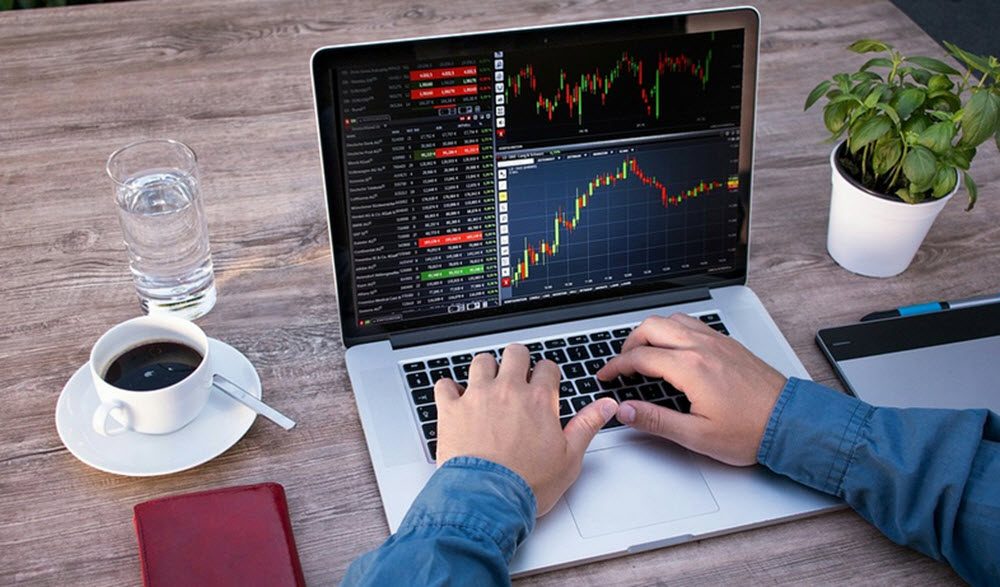
In today’s fast-moving financial markets, many traders are looking for ways to stay agile, respond quickly to price movements and access a wide range of opportunities without tying up large amounts of capital. Traditional investing often requires purchasing and holding assets, which can be both capital-intensive and slow to adapt to changing conditions. This is where Contracts for Difference, commonly known as CFDs, have gained attention among active traders seeking flexibility and efficiency.
CFD trading allows participants to speculate on price movements across global markets without owning the underlying asset. While this approach comes with unique risks, it also offers tools that, when used responsibly, can help traders maximise gains and manage exposure more effectively. Understanding how CFD trading works is essential before deciding whether it fits your trading goals and risk tolerance.
What CFD Trading Really Means
A Contract for Difference is an agreement between a trader and a broker to exchange the difference in the price of an asset from the time the contract is opened to when it is closed. Instead of buying shares, commodities or indices outright, traders speculate on whether prices will rise or fall.
If the price moves in the predicted direction, the trader profits from the difference. If it moves against them, the loss reflects that same difference. Because no physical ownership takes place, CFDs offer a streamlined way to engage with markets that would otherwise require significant capital or complex logistics.
Trading Without Ownership and Why It Matters
One of the defining features of CFD trading is the absence of asset ownership. This has several practical implications for traders. First, there is no need to manage custody, storage or transfer of assets. This simplifies the trading process and reduces administrative overhead.
Trading without ownership allows traders to profit from both rising and falling markets. By taking a long position, traders benefit from price increases. By taking a short position, they can potentially profit when prices decline. This flexibility can be particularly useful during periods of market uncertainty or heightened volatility.
Finally, not owning the underlying asset often means lower upfront costs. CFDs are typically traded on margin, which allows traders to gain market exposure with a fraction of the capital required for direct ownership. While this amplifies potential gains, it also increases risk, making risk management a critical part of any CFD strategy.
Leverage and Its Role in Maximising Gains
Leverage is one of the most powerful features of CFD trading. It allows traders to control larger positions with a relatively small initial deposit, known as margin. For example, with leverage, a trader may gain exposure to a position worth tens of thousands while only committing a small percentage of that value upfront.
When used correctly, leverage can significantly enhance returns on successful trades. Small price movements can result in meaningful gains, making CFD trading attractive to those with limited capital but strong market insight.
However, leverage works both ways. Losses are calculated on the full value of the position, not just the margin. This means losses can accumulate quickly if markets move against expectations. Responsible traders approach leverage cautiously, adjusting position sizes and setting clear limits to protect their capital.
Access to Global Markets From One Platform
CFDs provide exposure to a wide range of asset classes across global markets. Traders can speculate on major stock indices, individual shares, foreign exchange pairs, commodities like oil or gold, and more, often from the same trading interface.
This broad access allows traders to diversify their strategies without opening multiple accounts or navigating different market structures. It also makes it easier to respond to global economic events, earnings announcements or geopolitical developments that affect different asset classes simultaneously.
For those looking to deepen their understanding of how CFDs work across various markets, it can be helpful to explore educational resources that explain the mechanics and risks involved. Many traders choose to view more information on CFDs through structured learning materials that outline both opportunities and responsibilities in detail.
Risk Management as a Core Trading Skill
Maximising gains in CFD trading is not only about identifying profitable opportunities. It is equally about managing risk effectively. Because CFDs are leveraged instruments, even experienced traders place significant emphasis on risk control.
Common risk management techniques include setting stop loss orders to automatically close positions if prices move beyond a predetermined level. This helps limit losses and removes emotion from decision-making. Take profit orders can also be used to lock in gains when targets are reached.
Conclusion
CFD trading offers a flexible way to participate in global financial markets without owning the underlying assets. By focusing on price movements rather than ownership, traders gain access to a wide range of opportunities across multiple asset classes while maintaining capital efficiency.
However, the potential to maximise gains comes with increased responsibility. Leverage, market volatility and trading costs all require careful consideration. Traders who invest time in education, apply disciplined risk management and approach the markets with realistic expectations are better positioned to use CFDs effectively.