In an age dominated by mass production, disposable goods, and convenience culture, the simple act of creating something with your own hands—the “Make Your Own Homemade“ movement—offers profound benefits that extend far beyond cost savings. It is a rebellion against consumerism, a pathway to sustainability, a powerful tool for wellness, and a direct route to rediscovering lost skills and genuine satisfaction.
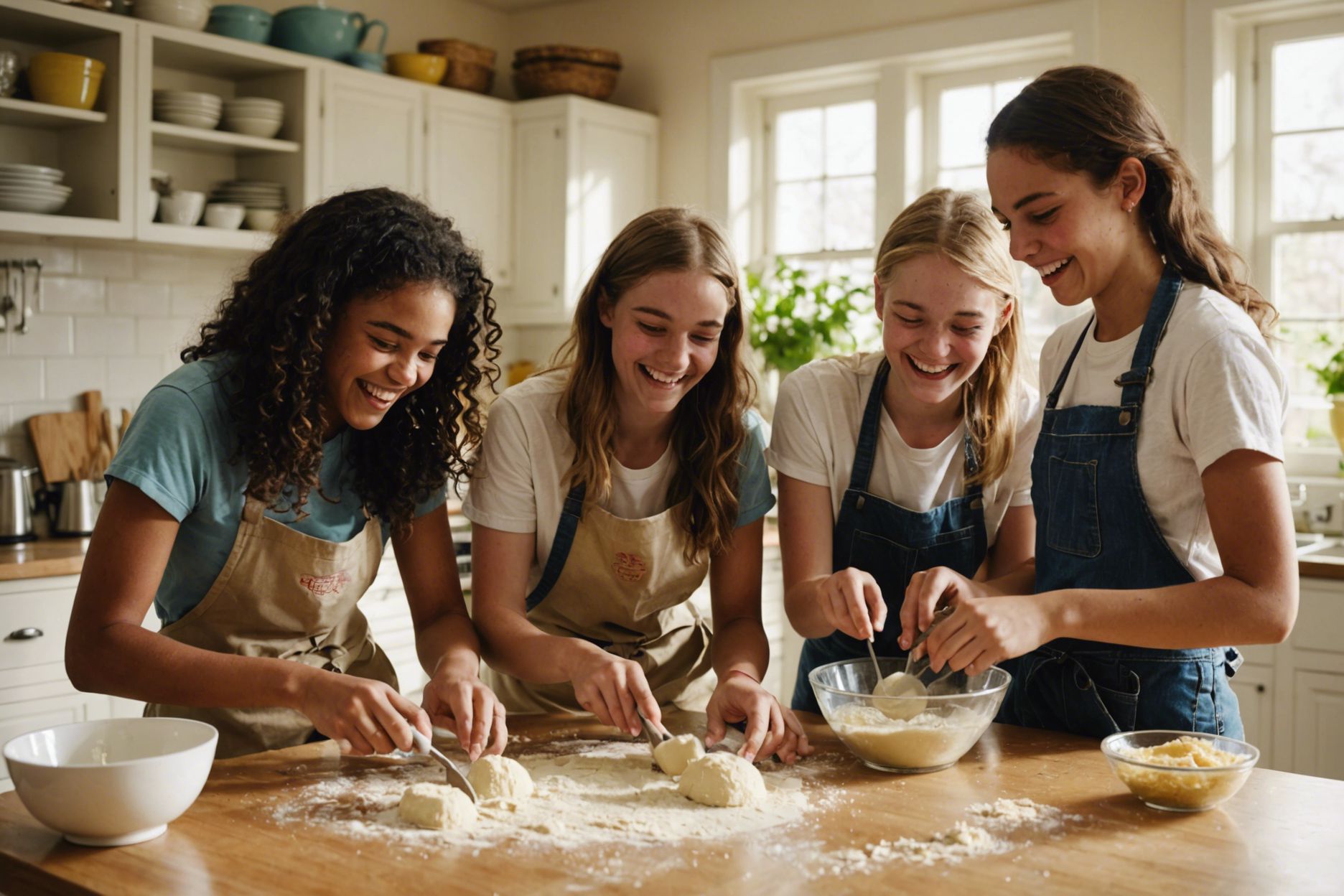
From baking sourdough bread to crafting natural cleaning products or tailoring a piece of clothing, the decision to create something homemade is a choice to prioritize quality, connection, and self-sufficiency. This article delves into the transformative advantages of embracing the DIY spirit, highlighting why this movement is becoming increasingly vital for personal and planetary well-being.
Pillar 1: The Health and Transparency Advantage
When you make something yourself, you gain absolute control over the ingredients, guaranteeing a level of transparency that pre-packaged goods can never offer.
1. Nutritional and Chemical Control
In the kitchen, “homemade” means bypassing unnecessary preservatives, excessive sugars, artificial colorings, and processed additives.
- Food: Baking your own bread or cooking sauces from scratch allows you to substitute healthy alternatives (e.g., natural sweeteners, whole grains) and control sodium levels. The result is food that is not only fresher but measurably healthier.
- Body and Home Care: Creating your own soaps, lotions, or cleaning supplies eliminates exposure to harsh chemicals, phthalates, and synthetic fragrances often found in commercial products. For individuals with allergies or sensitive skin, this control is a significant health benefit.
2. Knowing the Source
Homemade goods eliminate the guesswork. You know exactly where the eggs came from, the type of oil used, or the origin of the essential oils in your diffuser. This deep understanding of the source builds trust and confidence in the products you use every single day.
Pillar 2: Financial Prudence and Sustainability
While some initial setup costs may be required (e.g., buying bulk ingredients or quality tools), the long-term financial and environmental benefits of making your own goods are substantial.
1. Cost Savings Over Time
In many categories, the unit cost of making something at home is dramatically lower than buying its retail equivalent.
- Example: The ingredients for a large batch of laundry detergent or simple bread cost a fraction of the price of the highly marketed commercial products. By making items in bulk, you capitalize on the efficiency of bulk ingredient purchases.
- Repair Over Replace: The DIY mindset naturally extends to fixing broken items. Learning basic sewing, simple electronics repair, or furniture restoration saves the cost of replacement and extends the life of your possessions.
2. Environmental Responsibility
The homemade movement is inherently sustainable.
- Reduced Waste: You minimize packaging waste, single-use plastics, and the energy consumed in transportation and mass manufacturing.
- Zero-Waste Opportunities: Making your own cleaners and beauty products facilitates a zero-waste lifestyle by allowing you to use refillable glass containers indefinitely.
Pillar 3: Mental Wellness and Skill Mastery
The act of creation itself offers profound psychological rewards often absent in passive consumption.
1. The Therapeutic Flow State
Engaging in focused, repetitive, and intentional creation—whether knitting, woodworking, or bread kneading—can induce a “flow state.” This is a deeply engaging mental state where the creator is fully immersed in the activity, reducing anxiety, sharpening concentration, and providing a powerful antidote to digital screen fatigue.
2. Sense of Achievement and Competence
There is deep, primal satisfaction in using a product or consuming food that you personally brought into existence.
- Intrinsic Value: Unlike the fleeting pleasure of buying something new, the joy of “homemade” is tied to effort and skill mastery. Successfully finishing a project, no matter how small, boosts self-confidence and competence.
- Passing on Skills: Homemade skills are valuable cultural currency. Learning to preserve food, build furniture, or knit allows you to connect with ancestral traditions and pass on tangible, useful knowledge to future generations.
Conclusion: The Investment in Self-Sufficiency
Embracing the “Make Your Own Homemade” movement is an investment not just in cheaper goods, but in a richer, healthier, and more mindful lifestyle. It is a powerful practice that grants control over consumption, reduces environmental impact, and provides a necessary break from the relentless pace of modern life. By dedicating time and effort to creation, you gain products of superior quality, save money, and, most importantly, foster a profound sense of competence and genuine joy that only the creator truly understands.