Social networking has become an integral part of modern life. Platforms like Facebook, Instagram, and TikTok connect us with friends and family, provide a stage for self-expression, and offer a constant stream of information. However, beneath the curated feeds and endless scrolls lies a complex web of risks that can impact our mental health, privacy, and safety. Navigating this digital world requires more than just a profile; it demands an awareness of the potential dangers and a strategy to protect ourselves.
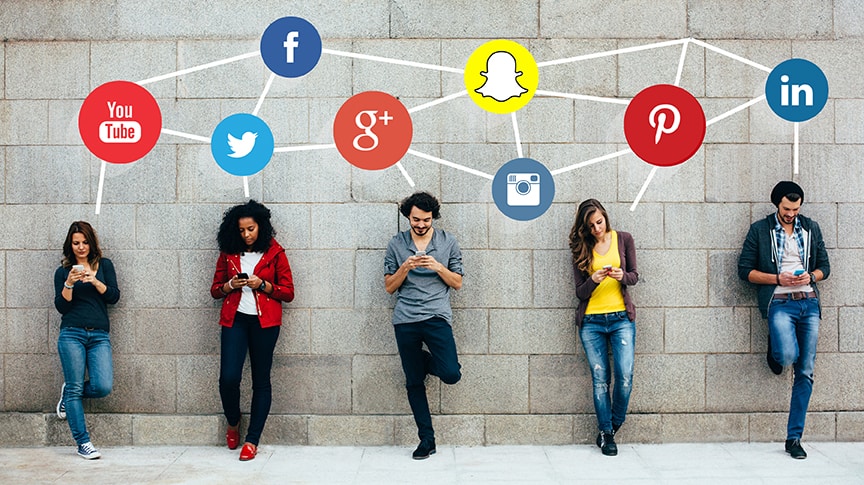
Understanding the risks of social networking is the first step toward building a healthier and safer online experience.
The Mental Health Toll: A Feed of Comparison and Anxiety
While social media promises connection, it often delivers a sense of isolation and inadequacy. The constant exposure to carefully curated lives can lead to a phenomenon known as “social comparison,” where we measure our own lives against the seemingly perfect lives of others.
- Erosion of Self-Esteem: The pressure to present a flawless online persona can be exhausting. Seeing highlights from everyone else’s lives—perfect vacations, successful careers, and happy relationships—can make our own reality feel less than ideal, leading to feelings of jealousy, low self-esteem, and even depression.
- Increased Anxiety and FOMO: Social media creates a constant fear of missing out (FOMO). Notifications, status updates, and event invitations can trigger anxiety, making us feel like we’re never truly present in the moment. The need to stay connected 24/7 can lead to burnout and a pervasive sense of digital obligation.
- Cyberbullying: For many, especially younger users, social media is a breeding ground for cyberbullying. The anonymity and distance of the internet embolden people to say things they never would in person, leading to severe emotional and psychological distress for the victim.
Privacy and Security: The Cost of a Free Service
Behind every “free” social media platform is a business model built on data. What you share, like, and click on is valuable information, and the risks to your privacy and security are significant.
- Data Collection and Sharing: Social media companies collect vast amounts of personal data, including your location, contacts, and browsing habits. This data is used to create a detailed profile of you, which is then sold to advertisers. While this is often framed as a way to provide “relevant ads,” it means your personal information is being monetized without your full awareness.
- Phishing and Scams: Social media is a prime target for scammers. Phishing attempts, fake profiles, and fraudulent links are designed to trick users into giving up sensitive information, such as passwords or financial details. A simple click on a suspicious link can compromise your entire digital life.
- Digital Footprint: Everything you post online leaves a permanent digital footprint. What seems harmless today—a funny rant, a photo from a party—could resurface years later and affect your job prospects, relationships, or reputation. Once something is online, it’s nearly impossible to erase completely.
The Spread of Misinformation and Filter Bubbles
Social media’s algorithms are designed to keep you engaged by showing you content you’re likely to agree with. While this can feel comfortable, it has a more sinister side.
- The Echo Chamber Effect: These algorithms create filter bubbles or echo chambers, where you are primarily exposed to information and opinions that reinforce your existing beliefs. This can lead to an inability to understand or empathize with different viewpoints, polarizing society and making constructive dialogue difficult.
- Rapid Spread of Misinformation: Social media’s speed makes it a perfect vehicle for the rapid spread of misinformation, fake news, and conspiracy theories. Without traditional gatekeepers, unverified information can go viral in minutes, with potentially dangerous consequences for public health and safety.
Taking Control: A Path to a Healthier Digital Life
Navigating the risks of social networking doesn’t mean you have to abandon it entirely. It means being mindful and proactive.
- Curate Your Feed: Be intentional about who you follow. Unfollow accounts that make you feel bad about yourself and seek out content that is positive, inspiring, and informative.
- Protect Your Privacy: Regularly review your privacy settings. Be cautious about what you share, and avoid posting sensitive personal information.
- Log Off: Schedule regular “digital detoxes.” Take time away from your devices to connect with people in person, engage in hobbies, and simply be present in the real world.
By acknowledging the risks and taking steps to mitigate them, you can build a relationship with social media that is on your terms, allowing you to enjoy its benefits without sacrificing your well-being.